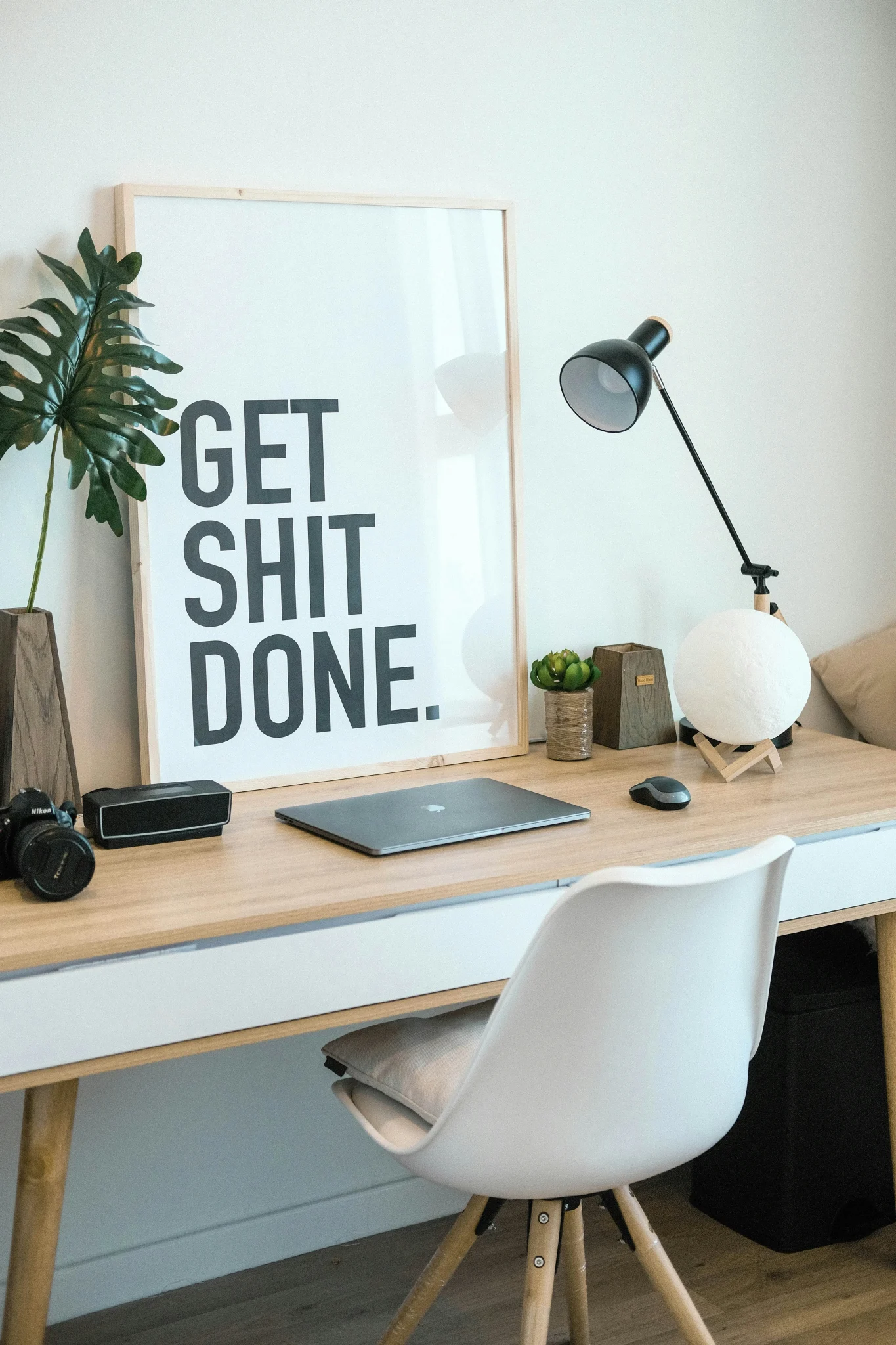
Understanding Procrastination
We all do it. You sit down to work, but somehow, you’re scrolling Instagram or reorganizing your desktop folders. That’s procrastination. It’s the act of delaying something important in favor of doing something easier or more enjoyable.
Common triggers include fear of failure, lack of clarity, low energy, and perfectionism. Recognizing why you’re procrastinating is the first step in fighting it.

The Psychology Behind Delay
Your brain is wired to avoid pain and seek pleasure. Tasks that seem hard or unpleasant trigger resistance. In contrast, distractions offer instant rewards. Over time, this cycle forms a habit.
But the good news? You can retrain your brain. Once you understand the cycle, you can break it and form new habits.
Signs You’re Procrastinating
Some signs are obvious: ignoring deadlines, watching Netflix instead of finishing that report.
Others are sneaky:
- Constantly organizing instead of executing
- Over-researching tasks
- Feeling overwhelmed but doing nothing
Watch for these signs. Awareness is powerful.
Impact of Procrastination on Productivity
The cost of procrastination is high:
- You miss deadlines.
- Projects stay unfinished.
- Anxiety builds up.
- Confidence drops.
The longer you delay, the harder it gets. That’s why acting now is so crucial.
How to Stop Procrastinating and Get More Done Today
Let’s get into action. These steps are designed to be practical. You can start using them today.
Start with a Small Task
Big tasks overwhelm. Instead, start small.
Use the 2-Minute Rule: If something takes under 2 minutes, do it now.
Once you begin, momentum builds. That’s the power of action.
Set Clear, Achievable Goals
Vague goals kill progress. Make goals:
- Specific
- Measurable
- Achievable
- Relevant
- Time-bound
For example, instead of saying “I’ll work today,” say “I’ll write 300 words before lunch.”
Use Time Blocks to Stay Focused
Time blocking means scheduling chunks of your day for specific tasks.
Here’s a simple example:
| Time | Task |
| 9:00–10:00 | Writing blog posts |
| 10:00–10:15 | Break |
| 10:15–11:00 | Respond to emails |
Stick to it. Structure creates flow.
Eliminate Distractions
Notifications kill focus. Silence your phone. Close unused browser tabs.
Try tools like
- Freedom (blocks sites)
- Forest (gamifies focus)
- Noisli (background noise)
Also, tidy your desk. A clean space helps you think clearer.
Practice the Pomodoro Technique
This method uses a timer:
- 25 minutes work
- 5-minute break
After four rounds, take a longer break.
It’s simple and powerful. Try the Focus Keeper or Pomofocus apps.
Reward Yourself After Tasks
Dopamine drives behavior. Reward your effort, not just results.
Ideas:
- A coffee break
- Watch one episode.
- Play your favorite song.
Celebrating small wins keeps you going.
Build Routines, Not Willpower
Willpower fades. Habits stick.
Use habit stacking: link a new habit to an old one.
Example: “After brushing my teeth, I write my to-do list.”
Keep a Task Journal
Write down what you did, what worked, and what didn’t.
It keeps you accountable and helps you learn over time.
Learn to Say No
Every “yes” is a “no” to something else. Protect your time.
Practice:
“Thanks, but I can’t commit right now.”
It’s not rude. It’s responsible.
Use Accountability Systems
Telling someone your goals makes you more likely to stick to them.
Try:
- A friend check-in
- An online productivity group
- Coworking with someone on Zoom
This is called body doubling. It works wonders.
Don’t Let Perfectionism Stall You
Perfectionism is procrastination in disguise.
Repeat this:
“Done is better than perfect.”
Progress is better than paralysis.
When to Seek Professional Help
If procrastination affects your health, career, or relationships, it might be chronic.
Consider:
- A productivity coach
- A licensed therapist
- CBT (Cognitive Behavioral Therapy)
You don’t have to do it alone.
FAQs
- What is the fastest way to stop procrastinating?
Start small. Use the 2-Minute Rule. Action breaks inertia.
- Why do I procrastinate even when I know it’s bad?
It’s your brain avoiding discomfort. You must override it with action and structure.
- Can procrastination be cured completely?
Not entirely, but you can manage and minimize it with the right tools.
- Does anxiety cause procrastination?
Yes. Anxiety and overwhelm often lead to avoidance behaviors.
- What are the best apps to fight procrastination?
Freedom, Focus Keeper, Pomofocus, and Forest are great options.
- How long does it take to break the habit?
On average, habits take 21–66 days to form. Consistency is key.
Conclusion
Procrastination steals time, energy, and joy. But you can reclaim control—starting today.
Remember:
- Begin small.
- Use tools.
- Build structure.
- Reward yourself.
- Keep going, even if it’s messy.
Don’t wait for the “right moment.” Take action now. Your future self will thank you.

Leave a Reply