Tag: Sustainability

  • Waking Up at 5 AM: Discipline, Benefits & More

    Why I Decided to Wake Up at 5 AM

    I’d read about successful people who wake up at five in the morning. CEOs, athletes, and high achievers all seem to rise with the sun—or even before it. So I asked myself, what would happen if I tried it?

    I wasn’t a morning person. In fact, I hit snooze too often. But I wanted a change. I craved clarity, structure, and extra hours in my day.

    The First Few Days—Shock to the System

    Let’s be real. The first few days were tough. I dragged myself out of bed, groggy and irritated. My body screamed for more sleep. My mind was foggy.

    By day three, I felt like quitting. But I stuck with it.

    My trick? Placing my alarm across the room. I had to physically get up to turn it off.

    Adjusting My Sleep Schedule

    Waking up early forced me to sleep earlier. I couldn’t survive on five hours of rest. So I aimed to be in bed by 9:30 PM.

    That meant:

    • Cutting screen time after 8 PM
    • Reading a physical book before bed
    • Keeping lights dim in the evening

    I used calming music and a sleep mask. It worked. Falling asleep became easier over time.

    Building a Morning Routine

    Having more time in the morning was powerful—but only if I used it well. I quickly learned that wandering aimlessly killed my motivation.

    So I created a loose routine:

    1. Wake up at 5:00 AM
    2. Drink water and stretch.
    3. Journal for 10 minutes
    4. Meditate or walk.
    5. Plan my day.

    That routine gave my mornings purpose. I wasn’t rushing anymore.

    warm coffee drink
    Photo by Daria Obymaha on Pexels.com

    Productivity Before Sunrise

    Something magical happened. Without the noise of the world, I focused better. There were no emails, no messages—just quiet.

    I tackled deep work tasks like writing and planning. Creative ideas flowed faster. My mind felt sharper.

    By 9 AM, I had done more than most people do all day.

    The Unexpected Challenges

    Not everything was perfect. Social life took a hit. Friends wanted to hang out late. I had to say no often.

    Weekends were tricky too. I wanted to sleep in. But doing so threw off my rhythm.

    And yes, there were days I felt burnt out—especially when I skipped meals or stayed up too late.

    Energy and Mood Shifts

    In the mornings, I felt great—alert, calm, and positive. My mood lifted naturally.

    But by mid-afternoon, I sometimes crashed. I learned to take short walks or power naps around 2 PM. That helped.

    Overall, waking early gave me emotional stability. I felt more in control.

    Nutrition and Hydration

    I used to skip breakfast. Not anymore.

    Now, I ate something light but nutritious—like eggs, oatmeal, or a smoothie.

    Hydration was key. I started every day with two glasses of water. It boosted my energy and focus.

    Surprisingly, I craved less junk food throughout the day.

    Exercise and Movement

    Working out early wasn’t easy at first. But I noticed something: even light stretching or yoga woke me up faster than coffee.

    I added 20-minute workouts three times a week. That combo of movement and early sunlight helped regulate my sleep and boosted my mood.

    What I Learned About Discipline

    At first, I relied on willpower. But that faded fast.

    So I built systems. I laid out clothes the night before. After prepping breakfast, I turned off electronics at a set time.

    Soon, waking up early felt automatic. I didn’t need to fight myself anymore.

    Sleep Quality Improvements

    The quality of my sleep improved. Even though I was waking up earlier, I felt more rested.

    I used sleep tracking apps like Sleep Cycle. I avoided caffeine after 2 PM. My room was cool and dark.

    As a result, I had fewer nightmares and slept deeper.

    Comparing to My Old Routine

    Before this experiment, I rushed through mornings. I skipped breakfast and scrambled to get ready.

    Now? My mornings are calm. I move with purpose. I start work earlier and finish sooner.

    My life feels less chaotic.

    Long-Term Sustainability

    So, will I keep waking at 5 AM?

    Maybe not every day. But I’ll aim for most weekdays. I’ve found a groove that works.

    On weekends, I allow more sleep—without guilt. Flexibility is key.

    Final Verdict—Is 5 AM Worth It?

    Waking up at 5 AM changed how I see time. I gained hours, focus, and peace.

    But it’s not for everyone. If you’re a night owl or work late shifts, it might not suit your lifestyle.

    Still, I believe everyone can benefit from intentional mornings—no matter the hour.

    FAQs – Waking Up at 5 AM

    Q1: Is it healthy to wake up at 5 AM every day?

    Yes, if you get enough sleep. Aim for 7–9 hours each night.

    Q2: How long does it take to adjust?

    Most people need 1–2 weeks to fully adjust.

    Q3: Do I need to follow a strict morning routine?

    Not strictly, but having a plan helps you stay focused.

    Q4: Can I still have a social life?

    Yes, but you’ll need to balance it. Early nights may mean fewer late outings.

    Q5: What if I miss a day?

    It’s okay. Just reset the next night. One off-day won’t ruin progress.

    Q6: What time should I go to bed?

    Count backward from 5 AM—ideally, you should be asleep by 9:30 or 10 PM.

    Conclusion

    Waking up at 5 AM taught me discipline, calm, and better time use. The shift wasn’t easy, but it was rewarding. Whether you wake up early or late, what matters most is owning your morning.

    Want to try it? Start small. Set your alarm 15 minutes earlier. Build from there.

    You might surprise yourself.
  • 10 Proven Productivity Hacks That Work in 2025 (Backed by Science!)

    10 Proven Productivity Hacks That Work in 2025 (Backed by Science!)

    10 Productivity Hacks That Actually Work in 2025

    To stay productive in 2025 can be difficult. With constant notifications, meetings, and endless emails, it’s easy to lose focus. Don't stress. These 10 productivity hacks that actually work in 2025 are designed to help you stay sharp, motivated, and in control.

    Let’s dive right in.

    1. Use the 52/17 Rule (Not Pomodoro)

    Most people know the Pomodoro technique. In 2025, the 52/17 rule is outperforming it.

    Here’s how it works:

    • Work for 52 minutes.
    • Take a 17-minute break.

    Why it works:

    Your brain stays engaged for nearly an hour, then gets time to recover fully. This rhythm matches your natural energy cycles, boosting efficiency.

     Tip: Set a timer for both work and break sessions.

    2. Schedule a “Power Hour” Every Morning

    Start your day with one goal: one hour of uninterrupted deep work.

    No meetings. No messages. Just focus.

    This sets the tone for the day. You’ll get something meaningful done before distractions hit.

     Ideal time: Right after waking up.

    3. Embrace AI Assistants (Smartly)

    AI tools in 2025 are game-changers. They help you:

    • Draft emails
    • Organize tasks.
    • Generate reports.

    But don’t over-rely. Use them to save time, not to think for you.

     Tools to try: ChatGPT, Notion AI, and ClickUp Brain.

    4. Turn Off ALL Notifications (Seriously)

    Yes. All of them.

    Even small pings break your focus. Silence:

    • Emails
    • Social media
    • Slack, Teams, Discord

    Check them only at set times (e.g., 11 AM and 3 PM). This builds attention stamina.

    5. Create a “No Meeting” Day Each Week

    Choose one day—say, Wednesday—as your no-meeting zone.

    Use it for:

    • Deep work
    • Learning
    • Finishing big tasks

    Companies like Asana and Shopify use this hack with amazing results.

    closeup photo of white and black printed ceramic mug beside pastry
    closeup photo of white and black printed ceramic mug beside pastry
    6. Write a 3-Item Priority List (Not 10)

    Forget long to-do lists. Instead, pick 3 main priorities each morning.

    Ask:

    “If I only completed these 3 things, would today be a win?”

    This forces clarity and focus. You’ll feel less overwhelmed—and more accomplished.

    7. Try the “Two-Minute Rule”

    If a task takes less than 2 minutes, do it immediately.

    Don’t save it. Don’t overthink it. Just act.

    This clears your mind and your inbox fast.

    8. Set Micro-Deadlines (Weekly)

    Large goals can feel heavy. Break them down.

    Instead of saying:

    “Finish the presentation by Friday.”

    Say:

    “Finish slides 1–5 by Tuesday.”

    This gives you momentum. Each small win builds confidence.

    9. Use Environmental Cues

    Want to train your brain to focus? Set visual triggers.

    Example:

    • Put on noise-canceling headphones = Work mode
    • Light a specific candle = Study time
    • Use a specific playlist = Deep writing

    This “brain priming” increases consistency.

    10. Do a Weekly “Reset Ritual”

    Every Friday (or Sunday), review:

    • What went well, and what didn’t?

    • What to fix next week?

    Clean your desk. Close open tabs. Plan the next week with intention.

    This clears mental clutter and boosts motivation.

    FAQs About Productivity in 2025

    Q1: What’s the best time of day to be productive in 2025?

    A: Mornings remain the most productive time for most people. Especially the first 2 hours after waking.

    Q2: How do I avoid burnout while staying productive?

    A: Use structured breaks like the 52/17 rule. Also, protect your weekends and avoid over-scheduling.

    Q3: Are AI tools helpful or distracting?

    A: They’re helpful when used with purpose. Don’t let them lead your thinking—use them to support it.

    Q4: How do I stay motivated long-term?

    A: Set clear weekly goals. Celebrate small wins. Build in rewards after deep work sessions.

    Q5: Is multitasking still a bad idea?

    A: Yes. Focus on one thing at a time. Multitasking reduces quality and increases fatigue.

    Q6: What’s a quick way to reset my focus?

    A: Step outside for 5 minutes. Deep breath. No phone. Nature helps reset your attention span.

    Final Thoughts

    Productivity doesn’t mean doing more. It means doing what matters—with clarity and energy. These 10 productivity hacks that actually work in 2025 are easy to try and proven to work.

    Start with just one. Watch your focus and energy rise.

  • Basic H2® Biodegradable Cleaner 16 oz. — Powerful, Green, Money‑Saving

    Basic H2® Biodegradable Cleaner 16 oz. — Powerful, Green, Money‑Saving

    Basic H2® Biodegradable Cleaner

    Introducing Basic H2® Biodegradable Cleaner 16 oz., a green powerhouse for household cleaning. With every bottle making up to 48 gallons of cleaner, this eco‑friendly formula handles grease, grime, glass, floors, and more—all without harsh fumes. It’s safe, powerful, and cost‑effective.

     What Is Basic H2® 16 oz.?

    • A super‑concentrated, plant‑based cleaner.
    • One 16 oz bottle yields 48 gallons of solution.
    • Made from corn and coconut‑derived biodegradable surfactants.
    • Free of chlorine, phosphates, dyes, fragrances, and toxic fumes.
    • pH balanced and gentle on hands.

    Why You’ll Love It

    Ultra-economical

    A single bottle replaces thousands of disposable spray bottles—Windex, all‑purpose spray, and floor cleaners included. 

    Green and safe

    Non‑toxic and biodegradable. Even septic and grey‑water systems stay happy. 

    Deep cleaning power

    Cuts through grease and stuck‑on grime with less elbow grease than many natural brands. 

    Unscented and mild

    Virtually odorless—perfect if you’re sensitive to smells. 

    Uses & Mixing Guide

    Surface Type Ratio Notes
    All-purpose spray 0.25 tsp in 16 oz water For counters, glass, etc.
    Glass & mirrors 2 drops in 16 oz water Wipe with microfiber cloth
    Degreasing jobs 1.5 tsp in 16 oz water For appliances and grills
    Heavy-duty cleaning 2 oz in 1 gallon water Driveways, outdoor grease
    Floors 1 Tbsp in 1 gallon water Mop and rinse

    No rinsing needed on most surfaces. Suits sealed wood, tested floors, tile, stainless steel, and even fabric cleaning. 

    What Users Say

    On The Strategist, one reviewer calls it “the most effective natural cleaner she’s found.” She’s used the same bottle for eight years and still had half left. It works on counters, glass, appliances, and more.

    On discussion boards, users praise its all‑purpose strength and long‑lasting value. One shared:

    Why This Cleaner Stands Out

    1. Eco-conscious design

      Biodegradable and packaged sustainably, it lowers plastic waste and carbon footprint.
    2. Health first

      No toxic fumes, no hazardous chemical exposure—just clean air and clean surfaces.
    3. Economical refills

      No need to rebuy bulky cleaner bottles—just dilute with tap water.
    4. Trusted long-term users

      Many users report never needing to repurchase thanks to minimal usage and high efficacy.

    Tips & Considerations

    • Always test on sensitive or unsealed surfaces first.
    • Follow dilution directions carefully—using too little may reduce cleaning power. Too much may streak glass.
    • Keep out of aquariums or windshield washer fluid tanks—they are not designed for those uses.


    Final Take 

    Basic H2® Biodegradable Cleaner 16 oz. delivers evidence‑based cleaning power with minimal waste. It’s safe, effective, and cost‑saving. If you’re after a minimalist, eco-conscious cleaner that handles most household jobs, this is a top pick. No strong smells. No landfill guilt. Just smart, sustainable cleaning.

    FAQs

    Q: How long does one bottle last?

    A: If mixed per instructions, one 16 oz. bottle makes about 48 gallons of cleaner—enough for months or even years of cleaning. 

    Q: Is it safe around kids and pets?

    A: Yes. It’s non-toxic, fragrance-free, and gentle on skin.

    Q: Does it leave residue or streaks?

    A: When mixed correctly, it cleans clear. Over-concentrating may leave streaks on glass surfaces. 

    Q: Can it clean outdoor surfaces?

    A: Yes—driveways, grills, patios, sealed siding, and more.

    Q: Does it disinfect or kill bacteria?

    A: It’s not labeled as antibacterial. It cleans dirt and grease but shouldn’t replace a disinfectant when needed.

    Q: What surfaces should I avoid?

    A: Not suitable for aquariums or vehicles’ windshield‑washer reservoirs. Avoid unfinished wood and delicate fabrics unless tested. 

    Interested in a greener, simpler cleaning solution? Basic H2® Biodegradable Cleaner is worth a try. Low scent. High power. Big savings.


    Check out the link. hinkeylife/storefront

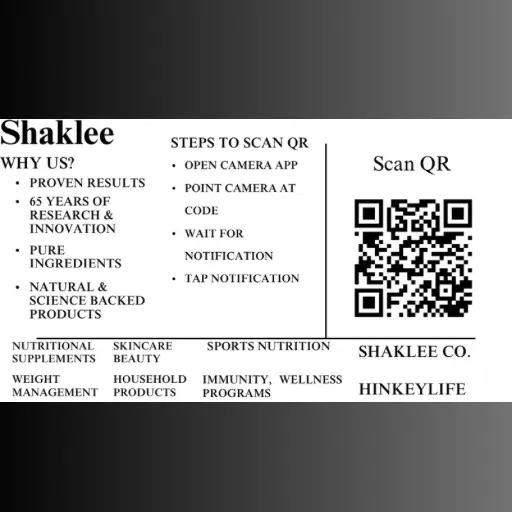
    Shaklee Business Card


    Natural Wellness How Shaklee


  • Swamp Coolers: 11 Powerful Reasons to Ditch Your AC in 2025

    Swamp Coolers: The Ultimate Affordable Cooling Solution in 2025

    Swamp coolers are making a serious comeback in 2025. With energy prices rising and climate awareness growing, many homeowners are turning to this efficient and natural way to cool their spaces. But what exactly are swamp coolers, and are they right for you? Let’s explore everything you need to know.

    What Is a Swamp Cooler?

    How It Works

    A swamp cooler, also known as an evaporative cooler, uses water to cool the air. It pulls warm air through moist pads. As the air moves through, water evaporates. This process removes heat and cools the air, which then gets pushed into your home.

    Key Components

    • Water tank—Stores water used for evaporation.
    • Cooling pads—Soak up water to cool incoming air.
    • A fan or blower circulates the air.
    • Pump—Keeps the pads moist.

    ai generated image of swamp coolers
    AI-generated image of swamp coolers

    Swamp Coolers vs Traditional AC Units

    Cost Comparison

    Swamp coolers cost much less to run. A standard AC unit can use over 3,000 watts, while a swamp cooler may only need 100–500 watts. That’s major savings on your monthly bill.

    Energy Efficiency

    Evaporative coolers are energy champs. They use natural processes and avoid chemical refrigerants. No compressors. No heavy energy loads.

    Climate Suitability

    They shine in hot, dry places. Think Arizona, Nevada, or New Mexico. But in humid regions? Not so much. Moisture in the air makes evaporation harder.

    Top Benefits of Swamp Coolers

    Lower Operating Costs

    Electric bills drop. These coolers are budget-friendly from day one.

    Eco-Friendly Operation

    No Freon. No ozone harm. Just air and water. They’re a smart pick for eco-conscious users.

    Fresh Air Circulation

    They pull in outdoor air and keep it moving. You won’t feel stuffy or closed in. This helps people with allergies too.

    Drawbacks to Consider

    High Humidity Impact

    If the air’s already wet, these coolers struggle. Your space may feel muggy, not cool.

    Maintenance Needs

    They need regular care. Pads must stay clean. Water tanks must stay filled. Skip the work, and they won’t perform.

    Best Places to Use a Swamp Cooler

    Ideal Climates

    Swamp coolers love low humidity. They’re perfect for deserts or arid zones. Think under 30% relative humidity.

    Indoor vs Outdoor Use

    Many units now support patios and garages. Outdoor-rated models help during BBQs, backyard parties, or work sessions in hot sheds.

    Types of Swamp Coolers

    Portable Swamp Coolers

    Great for small rooms. Easy to move. Just plug and play.

    Window-Mounted Units

    Install these like an AC unit. Perfect for medium rooms and offices.

    Whole-House Systems

    Larger systems connect to ducts. They cool your entire home cost-effectively.

    How to Choose the Right Swamp Cooler

    Room Size Matters

    Match the unit’s power to your room size. Don’t go too small or too large. Check the CFM (cubic feet per minute).

    Water Tank Capacity

    Bigger tanks run longer. Smaller ones need refilling more often. Choose based on your needs.

    CFM Rating Explained

    This number tells how much air the unit can move. As a rule:

    • 250–500 CFM = Small rooms
    • 1,000–2,000 CFM = Living areas
    • 3,000+ CFM = Garages, outdoors, or whole homes

    Installation Tips and Safety Guidelines

    Placement Tips

    Keep the cooler near a window or door for airflow. Don’t block the air with curtains or furniture.

    Electrical and Water Safety

    Use grounded outlets. Avoid extension cords. Refill the water tank often to avoid burnout.

    Maintenance Tips to Extend Lifespan

    Cleaning the Pads

    Check every two weeks. Remove dirt and mineral buildup.

    Draining and Refilling Water

    Stale water stinks. Drain and replace it weekly during heavy use.

    Seasonal Storage

    Before winter, dry the unit completely. Clean the tank. Cover and store in a dry place.

    For more on how you can keep your swamp cooler clean, please check out the link to my Shaklee storefront. hinkeylife/storefront

    Top Brands of Swamp Coolers in 2025

    Honeywell

    Reliable and efficient. Great for home use.

    Hessaire

    Budget-friendly with powerful output. Ideal for garages or shops.

    Portacool

    Heavy-duty. Best for large-scale or outdoor use.

    What to Avoid When Using a Swamp Cooler

    Common Mistakes

    • Closing windows always allows fresh air flow.
    • Ignoring humidity—check the weather before turning it on.
    • Skipping maintenance leads to poor cooling and bad odors.

    Troubleshooting Tips

    • Weak airflow? Clean the fan.
    • Warm air? Check water levels or the pump.

    Bad smell? Clean the pads or tank.

    Environmental Impact and Sustainability

    Water Usage Concerns

    They do use water, but it’s minimal compared to AC power demand. Still, water-saving tips help in drought-prone areas.

    Green Cooling Advantage

    No refrigerants. Low power use. Long life cycles. That makes swamp coolers a win for the planet.

    Conclusion: Is a Swamp Cooler Right for You?

    Swamp coolers offer an affordable, eco-friendly cooling option in 2025. If you live in a dry region and want to save on bills without harming the planet, they’re a smart choice. Just remember the trade-offs. Keep up with maintenance, and you’ll enjoy a refreshing breeze all season long.

  • Pharmaceuticals vs. Natural Alternatives

    Pharmaceuticals vs. Natural Alternatives

    Pharmaceuticals

    People can educate themselves more quickly because information is accessible. Now that health and nutrition information appears in doctors’ offices, on television and radio, in grocery stores, and on the Internet, people are more informed. Information spreads quickly and widely. You now have access to a broader range of differing opinions. The debate, which has never shown evidence of a settled answer, asks whether prescription drugs or natural alternatives are better.

    close up image showing various pills and a thermometer emphasizing health and medicine

    Being diagnosed with a serious condition, such as diabetes or heart disease, is probably one of the scariest moments a person can experience in their life. As a health professional gives the prognosis, the first action taken is for the individual to be prescribed medication, delaying the impact of the illness or disease. In fear of becoming more sick, people generally rush to have their prescription filled and begin their treatment for the disease. The patients adhere to treatment orders prescribed by health professionals. 

    There are people who are trying something different. Every day, more people are considering natural alternatives to prescription medication. The cause of the shift is that many medications prescribed for serious health conditions have side effects.

    While many side effects tend to subside once your system has become adjusted to the medication, and others are rare, many people don’t want to take a chance with prescribed medication. This has led to an increase in the purchase of natural alternatives. Comparing natural alternatives to prescribed medication can help you and your doctor determine which route is best for you.

    Natural Alternatives

    On the side of natural alternatives is the belief that a treatment plan featuring elements that are natural to the chemical makeup of the human body is best. There is also the belief that the reason prescription medications are often associated with unpleasant side effects is because they go against what the body really needs. To conclude, there is no real concrete data that proves that natural alternatives are better.

    People basically take natural alternatives at their own risk. Furthermore, it is important to discuss natural alternatives with a medical professional.

    Herbal tea ritual featuring a glass teapot with amber infusion and six bowls of dried botanicals—rose petals, lavender, orange peel, and green herbs—symbolizing holistic healing and natural remedies as alternatives to pharmaceutical solutions.

    In conclusion, it’s no secret the pharmaceutical industry and the medical profession are close associates. Often doctors will offer their patients samples of the latest drugs. Despite doctors who will never consider natural alternatives as a method of treatment outweighing the number of doctors who do, this close association with the pharmaceutical companies may be the reason.

    Until natural alternatives are investigated and approved by organizations, such as the United States Food and Drug Administration, that oversee nutritional standards, the debate between prescribed medication and natural alternatives will continue.

    For more alternatives, check out my blog on Shaklee.


  • Benefits of Landscaping

    Benefits of Landscaping

    More Than Just Curb Appeal

    Landscape Elements

    • Benefits
    • Get Started
    • The Basics

    The lush green lawn, vibrant flower beds, and crisp edges of your walkways – they do not just appear by magic.

    It is the result of (natijah – result) of good old-fashioned yard work.

    detailed rosebed with brick layout.

    Getting your hands dirty (literally!) in the yard is a powerful boost for your physical and mental well-being, a win for your wallet, & a صغير (saghir) – a small act of environmental stewardship.

    Ready to discover the hidden treasures of yard work? Let’s dig in!

    First and foremost, maintaining your lawn enhances the aesthetic appeal of your property.

    In addition, a well-maintained lawn significantly improves air quality by; producing oxygen and filtering any pollutants. As a result, contributes to a healthy environment for you and your family.

    More Than Just Pretty: The Many Perks of Tending Your Turf.

    • Powerful Workout in Disguise: Ditch the gym. Instead, manual labor provides an excellent cardiovascular exercise due to incorporating various muscle groups. As a result, this contributes to an increase in calorie loss. Ultimately, it is a functional, fresh – air fitness routine that constantly changes. 

    • https://njaes.rutgers.edu/home-lawn-garden/gardening-for-physical-activity.php

    • Stress Relief & Mental Clarity: Spending time in nature has a profound impact on our mental state. Specifically, the act of nurturing plants reduces stress, lowers cortisol levels, and improves your mood. Furthermore, it presents a much-needed escape from daily pressures, promoting mindfulness and a sense of accomplishment. 

    • Increase Vitamin D Intake: In addition, safely soaking up some sun while you work in the yard helps your body produce Vitamin D. 
    • Save Money: On a particular level, regular yard maintenance prevents costly issues, delaying drainage issues & deter pests.

    • Growing Your Own Produce: Whether you are cultivating a vegetable patch or a few herb plants, growing your own food offers numerous benefits. Not only do you get fresh, healthy produce, save money, but lastly, gain a deeper appreciation for where your food comes from.

    • Creating a Welcoming Oasis: Your yard is an extension of your home. Consequently, by tending to it, you create an enjoyable yet functional space for relaxation, and entertainment. 

    • Support Local Ecosystems: Finally, choosing native plants while practicing sustainable yard care provides a habitat for pollinators, birds, and other beneficial wildlife. Therefore, contributes to a healthy environment. 

    Rosebush with steps leading to lower level.

    Get Started: Tips, Tricks, & How-Tos for Any Landscape Artist.

    Ready to reap the rewards of manual labor?

    Here are some practical tips to get started.

    Whether you are a seasoned pro or beginner: 

    Planning & Preparation are Key:

    • Know Your Zone: First and foremost, understand the local climate along with planting zones to choose plants that will grow.

    • Assess Your Soil: Healthy soil is the foundation of a healthy yard. Therefore, contemplate getting a soil test to understand its composition and pH levels. This information determines if you need to add amendments.

    • Plan Your Layout: Before you start digging, keep in mind about the functions of different areas in your yard. Where can you find peace? Where can you build a space to thrive?

    • Gather Quality Tools: Finally, this stage, invest in quality tools that are comfortable and suitable to use for the tasks you will be doing. Essential tools include gloves, a trowel, a shovel, pruning shears, a rake, lastly a lawnmower.

    A visual for optimal growth while conserving water.

    Lawn Care Basics:

    • Mowing: Mow at the correct height for your grass type – cutting too short can stress the lawn. Furthermore, keep the mower blades sharp for a clean cut. 

    • Water Wisely: To encourage strong root growth, water deeply & less frequently. Ideally, best time to water is early dusk or early dawn to reduce evaporation.

    • Fertilize When Needed: To conclude, performing a soil test determines if your lawn needs fertilizer & what type. However, don’t over-fertilize, this can harm your lawn & the environment. 

    • Tackle Weeds Early: Furthermore, to pull weeds when small, results in a much simpler task.

    • Aeration & Dethatching: Finally for lawn care, these practices improve air circulation, as well as water and nutrient absorption for a healthy lawn.

    In addition, the “one-third rule” is a good guideline: never remove more than one-third of the grass blade length at a time.

    This provides a visual of aeration and dethatching.

    Gardening for Growth:

    • Start Small: If you are new to gardening, begin with a few simple plants like herbs, marigolds, or simple vegetables like bush beans.

    • Choose the Right Location: Most vegetables & flowering plants need at least six hours of sunlight per day.

    • Prepare the Soil: Amend your soil with compost & other organic matter to improve its structure and fertility.

    • Water Consistently: Consequently, by keeping soil well-watered for new plants & seedlings. As a result, plants will thrive.

    • Mulch, Mulch, Mulch: Mulching retains moisture, suppresses weeds, and regulates soil temperature.

    • Prune for Health: Learn how to prune plants to encourage healthy growth & flowering.

    This rose bush looks better this year than last year.

    Tricks for Simple Yard Work:

    • Sharpen Tools: Sharp tools make every task simple and safe.

    • Work with Nature, Not Against It: Select plants that adapt well to your climate as well as soil conditions.

    • Create a Compost System: Transform yard waste & kitchen scraps into valuable compost enriching your soil.

    • Water Can Placement: Stow water cans strategically set around your yard for easy access.

    • Make it a Family Affair: Get everyone involved! Yard work is a great way to spend quality time to educate kids about nature & responsibility.

    • Listen to Your Body: Do not overdo it. Take breaks, stay hydrated, & know your limits.

    Ready to Get Your Hands Dirty?

    In coclusion, yard work is more than maintaining a property; it is an investment in your health, your home, and your connection to the natural world.

    All media was taken in October of last year.


  • Natural Wellness: How Shaklee Can Transform Your Health

    Natural Wellness: How Shaklee Can Transform Your Health

    Why I Chose Shaklee

    In today’s fast-paced world, maintaining a healthy lifestyle can feel overwhelming. Between juggling work, family, and personal commitments, it’s easy to let wellness take a backseat. However, what if you could support your health with high-quality, science-backed products designed to nourish your body naturally?

    That’s exactly what Shaklee offers—a holistic approach to wellness rooted in nature and backed by science. 

    I found Shaklee—a company with over 60 years of experience in natural nutrition, green cleaning, and sustainable living.

    What stood out to me was their commitment to:

    ✔️ Pure Ingredients—Every product undergoes rigorous testing for safety, along with purity.

    ✔️ Scientific Backing—Over 100 clinical studies support the effectiveness of their supplements.

    ✔️ Sustainability—Shaklee is carbon neutral and dedicated to protecting the planet.

    My Favorite Shaklee Products

    If you’re new to Shaklee, here are some must-try products that have made a real difference in my daily routine:

    Vitalizer™—The The Ultimate Daily Nutrition Pack

    Packed with essential vitamins, minerals, omega-3s, & probiotics, this all-in-one solution helps boost energy and support immunity, ultimately promoting overall wellness.

    Life Shake™—A  Complete Meal in Minutes

    Perfect for busy mornings, this plant-based protein shake provides 20 g of protein and fiber, along with 24 essential vitamins & minerals—all in one delicious serving.

    Get Clean® Basic H²®—The The Multi-Purpose Green Cleaner

    Ditch the harmful chemicals! This all-natural, biodegradable cleaner replaces dozens of household cleaning products while being safe for your family as well as the environment.

    How Shaklee Can Support Your Health Goals

    Whether you are looking to increase energy, support immunity, lose weight, or simply feel your best, Shaklee has something for everyone. Their personalized health assessments make it easy to find the right products for your needs.

    And the best part? You don’t have to figure it out alone! I’m here to help you navigate Shaklee’s offerings and find the perfect fit for your lifestyle.

    Ready to Start Your Wellness Journey?

    Lastly, if you’re looking for natural and science-backed solutions for better health, I’d love to help! Check out my Shaklee website to explore products, take a free health assessment, or reach out with any questions. Link below.

    Your wellness matters—let’s take this journey together!

    https://us.shaklee.com/site/hinkeylife/storefront

    Shaklee Storefront Banner.
  • Why Shaklee Is the Wellness Brand You need in 2025

    Why Shaklee Is the Wellness Brand You need in 2025

    Shaklee HinkeyLife.

    In a world overwhelmed by wellness trends, it is easy to feel lost in the shuffle of fleeting fads along with overhyped products. However, upon entering 2025, one brand stands out for its enduring commitment to science-backed health solutions and sustainability: Shaklee. A legacy that spans many decades, the corporation is not just a wellness company—it is a pioneer that has consistently delivered products rooted in innovation, quality, and care for the planet.

    Shaklee Hinkey Life Storefront.

    Personal Experience

    Growing up, I have been around Shaklee products. Whether it was cleaning products, sports supplements, or even the everyday vitamins. It was around in some way. My mother suffers from rheumatoid arthritis and fibromyalgia. Furthermore, she states the effects can be felt immediately after ingesting. That says so much, especially in today’s medicine. It is a pill for everything, with that pill having another issue to deal with.

    You get the gist. One pill after the other.

    Shaklee isn’t just a brand—it is a philosophy being woven into our daily lives. From the vitamins on the counter to the eco-friendly solutions we use for cleaning the house. Shaklee played a significant role in shaping how I see health, sustainability, and entrepreneurship today.

    I understand there might be sites similar to it that deliver similar results. To conclude, I am not selling nor advertising. However, I am assisting others to live a healthier and younger lifestyle. Furthermore, this provides a door of opportunity in which people can explore the products along with the benefits.


    Health Benefits.

    Shaklee home products are backed by extensive scientific research and positive customer testimonials. They offer a range of supplements and vitamins that support overall health, including heart health, cognitive health, and immune support. Shaklee Corporation (2007). The Landmark Health Studies have shown that long-term users of Shaklee have better health outcomes compared to non-users. In addition, I recall taking the sports nutrition products during a training season prior to cross-country. I shaved anywhere between three to five minutes off my personal records for a three-mile run as well as a five-mile run.

    Shaklee Corporation (2007). The Landmark Health Studies. Shaklee Corporation.

    Sustainability.

    The organization has been committed to environmental stewardship since its founding in 1956. Shaklee became the first company in the world to be certified Climate Neutral. That said, they offset their CO₂ emissions to achieve a net-zero impact on the environment.

    Shaklee uses eco-friendly packaging, renewable resources, and green manufacturing practices, minimizing their ecological footprint. Basic H2 Biodegradable

    Trustworthiness.

    Shaklee products undergo rigorous quality testing to ensure safety, purity, and potency. The company offers a 100% money-back guarantee, even if the product is completely used up. Customer reviews, along with ratings on platforms like Trustpilot and consumerlab.com, reflect high satisfaction with the effectiveness and quality of Shaklee products.

    Curious to see how Shaklee can improve your health and your home?

    Please, don’t forget to visit my Shaklee website page. https://us.shaklee.com/site/hinkeylife/storefront

    shaklee hinkeylife business card
    shaklee hinkeylife business card